Welcome a Path of Natural Healing.
At the heart of my practice lies a deep respect for the body’s natural ability to heal itself. Through Reflexology, Dry Cupping, and Moxibustion, I offer gentle, yet powerful therapies that restore balance, improve circulation, and support overall well-being- physically, emotionally, and energetically.
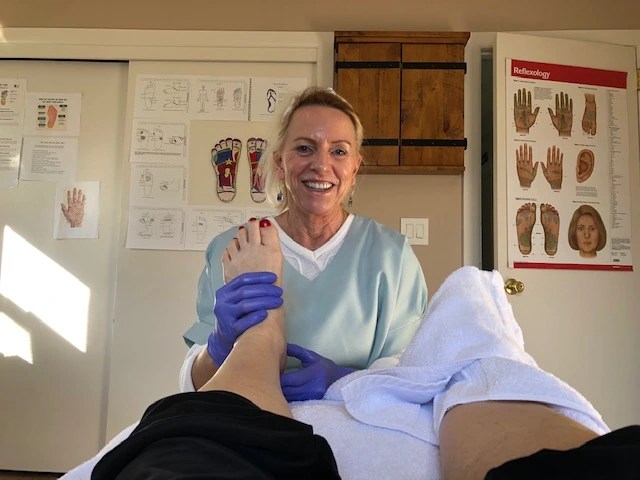
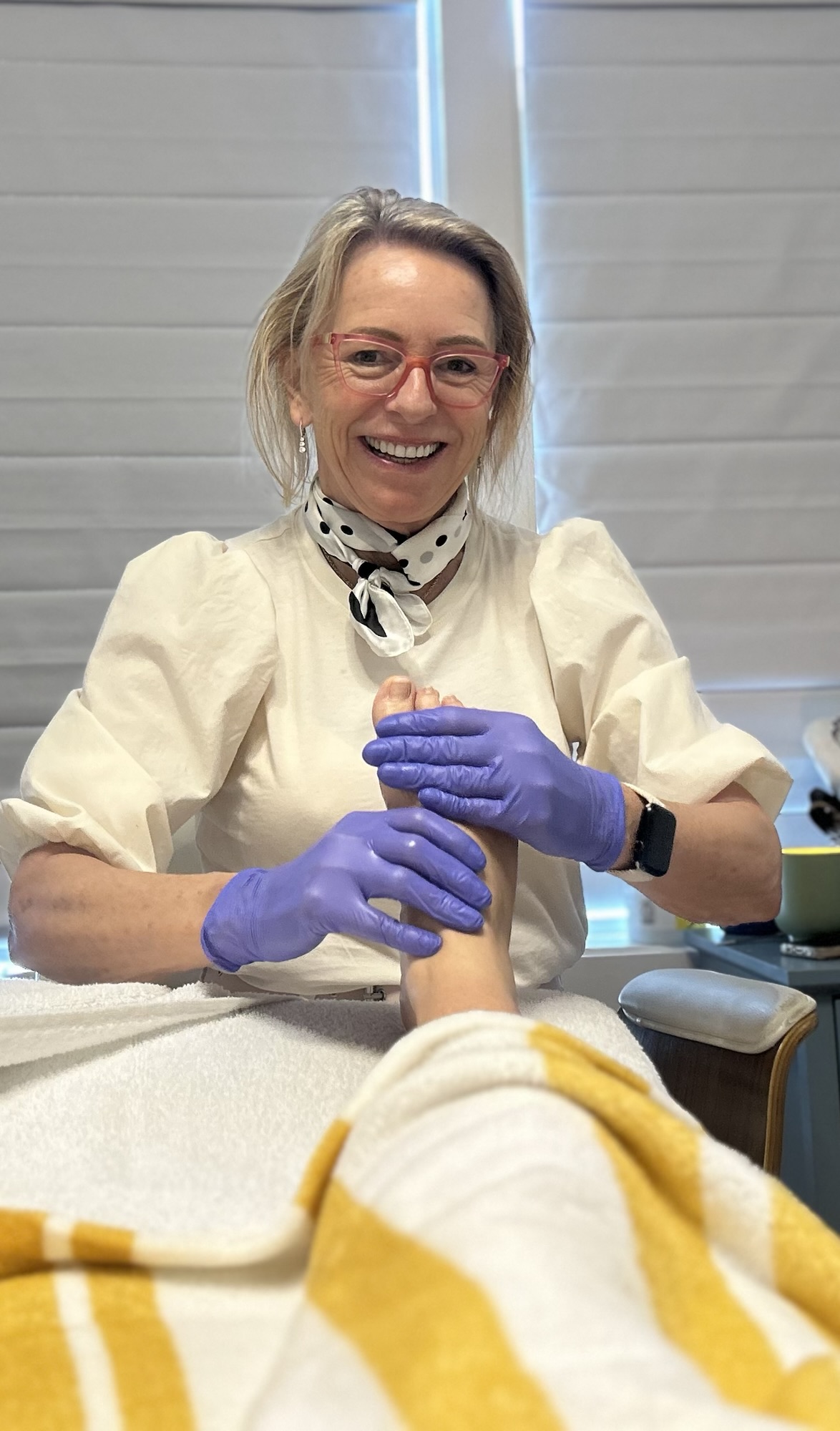
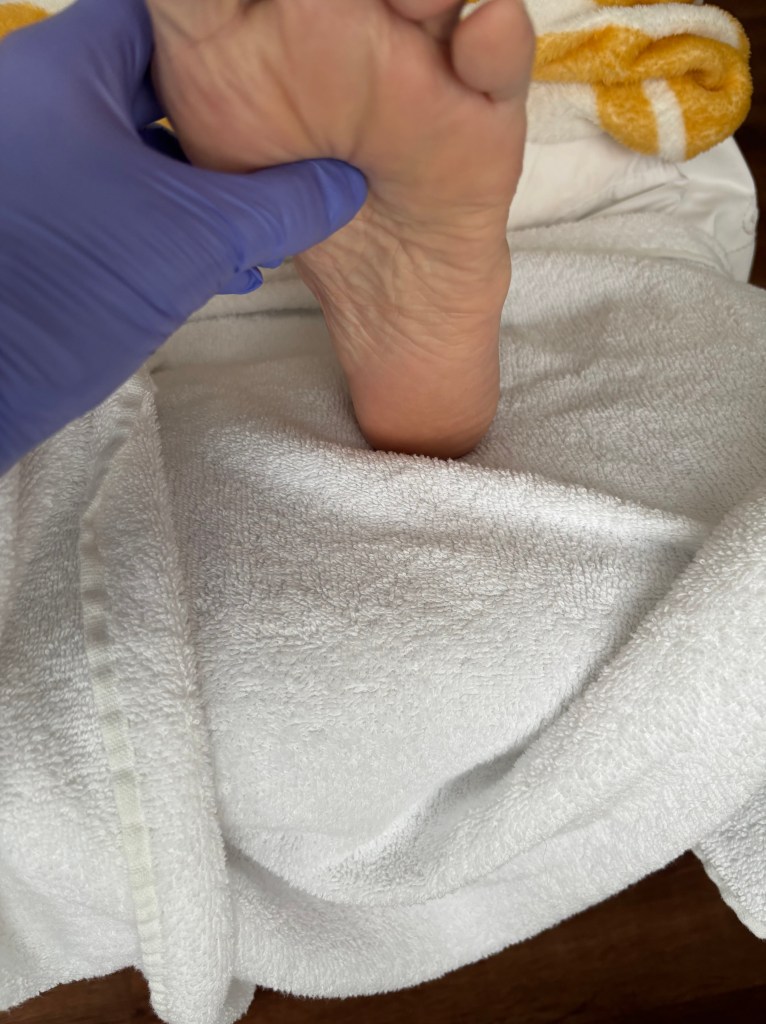
Each Session: you get an unique treatment for 90 minutes. Warming up with warm towels at your feet, Massage and finger walking over your calf muscles. Relaxation techniques, mixed with Structural Reflexology.
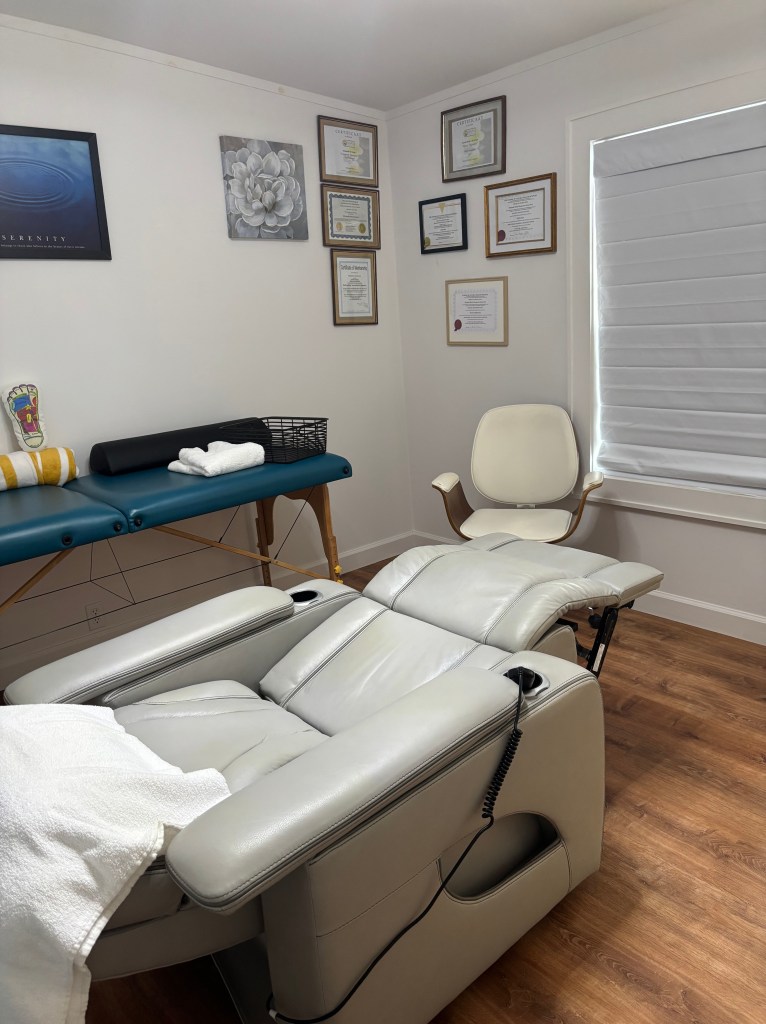
About 7000 end nerves in each foot, connected to your body. You lay in a 0-gravity chair with, warming lightly your spine, for better blood circulation working with your central nervous system. We end up at the end with Relaxation breathing and warm towels.
Most Health Insurances reimburse the cost of Reflexology from a Certified Reflexology Therapist., with the letter of consent from your physician. This form you receive from me with your intake forms. You get the receipt after your payment.
For appointments: send a message to 443 223 4197. I can schedule you on a day and time you prefer. Or send an email to: lisette@reflexologytherapies.com
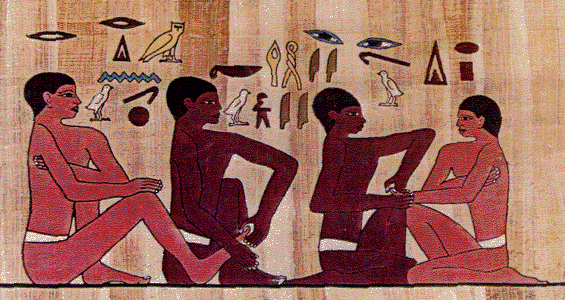
Reflexology is one of the world’s oldest healing arts, with its roots traced back to 2300 years BC to ancient Egypt. Early wall carvings discovered in the tomb of an Egyptian physician depict hands and feet being treated for health and vitality – evidence that this sacred practice was already understood as a pathway to healing Rather than focusing on its historical journey across continents, modern reflexology honors the same timeless principle: specific points on the feet, hands, and ears reflect the entire body.
Every session is tailored to your unique needs, creating a calm, nurturing space where ancient wisdom meets modern care. My intention is not only to relieve symptoms, but to support long term balance, relaxation, and vitality – helping your state of well being.
Benefits of Foot Reflexology Therapy
There are many benefits of foot reflexology therapy. This type of therapy can help to improve circulation, reduce stress and tension, and promote relaxation. It can also help to relieve pain and discomfort from conditions such as arthritis, headaches, and menstrual cramps. In addition, foot reflexology therapy can help to improve sleep quality and reduce fatigue.
What is structural Reflexology?
1.Structural Reflexology is a specialized, whole‑body approach that blends the art of foot reflexology with the science of anatomy, physiology, and kinesiology. By using targeted local and reflexive techniques, it helps release stress, ease structural imbalances, and support the body’s natural ability to realign and restore itself. This method identifies tension points on the feet caused by muscle and ligament strain and addresses how these areas influence overall posture, movement, and well‑being—offering a more integrated path to lasting relief.
2.The aim of Structural Reflexology is to restore balance, ease, and optimal function throughout the body by addressing the feet as the foundation of overall structural health. Through a blend of targeted reflexology techniques and anatomical insight, this approach works to reduce stress, release tension patterns, and support the body’s natural ability to realign and move with greater comfort and efficiency.
3.Assess the feet to identify the underlying causes of imbalance or discomfort.
4.Identify tension patterns in the feet and legs that contribute to improper weight distribution and compensation throughout the upper body. Enhance foot alignment and function to help reduce inflammation and ease strain across the entire body. Support the feet in returning to a more comfortable, balanced, and efficient state.
Comparison between Traditional Medicine and Holistic Healthcare.
There are many differences between traditional medicine and foot reflexology therapy. In traditional medicine, the focus is on treating the symptoms of a disease or condition. Foot reflexology therapy, on the other hand, focuses on stimulating the body’s own healing process. Traditional medicine often uses drugs to treat a condition, while foot reflexology therapy uses massage and pressure techniques to promote healing. Traditional medicine is usually focused on treating the immediate problem, while foot reflexology therapy is more concerned with long-term health and well-being.
Foot reflexology therapy is an alternative medical practice that has been used for centuries to treat a variety of ailments. The therapy involves applying pressure to specific points on the feet that correspond to different organs and systems in the body.
What Should Be Avoided in Foot Reflexology Therapy?
While foot reflexology therapy can be beneficial, there are certain things that should be avoided in order to get the most out of the therapy. Here are four things to avoid during foot reflexology therapy:
1. Avoid wearing shoes or socks during the session. This will ensure that the therapist can access all of the points on your feet and provide the best possible treatment.
2. Avoid using lotions or oils on your feet before the session. This can make it difficult for the therapist to work on your feet and could lead to an ineffective treatment.
3. Avoid eating a heavy meal before or immediately after your session. This can cause discomfort and may make it difficult for you to relax during the treatment.
4. Avoid drinking alcohol before or after your session. Alcohol can dehydrate your body and make it more difficult for you to relax during the treatment.
How to Get the Most Out of Foot Reflexology Therapy?
There are a few things you can do to ensure you get the most out of your foot reflexology therapy session:
1. I’m a qualified therapist who has experience in providing this type of therapy.
2. Be open and receptive to the therapy and what it can do for you.
3. Drink plenty of water before and after your session to help flush out toxins from your body.
4. Avoid wearing tight shoes or clothing that may constrict blood flow during your session.
5. Take some time to relax afterwards and give yourself time to absorb the benefits of the therapy.
Foot reflexology therapy is an increasingly popular form of holistic health care that many people are turning to for relief from pain and other ailments. Through a variety of massage techniques, pressure points on the feet can be manipulated in order to provide healing benefits throughout the body. Although it may not replace traditional medicine completely, foot reflexology can certainly supplement it by providing non-invasive relief. With more research being conducted into its effectiveness, this ancient practice has shown great promise as a viable alternative treatment option for many individuals seeking natural healing.
About plantar fasciitis and Reflexology:
Support tissue healing, reduce inflammation, help remove metabolic waste,
Better circulation is important because the plantar fascia has limited blood supply.
Its often connected to:
Tight calf muscles, Tight Achilles tendon, Foot muscle tension.
Reflexology helps relax surrounding muscles, which reduces pulling on the plantar fascia.
Pressure stimulation activates nerve pathways and may: Reduce pain perception, Trigger endorphin release, Calm the nervous system. Many people report decreased heel pain after sessions.
Reflexology Calms the para sympathetic nervous system, improves sleep, Reduces overall body tension. This is important because healing happens best in a relaxed state.
In Reflexology mapping, the heel area corresponds to: Pelvis, Lower back, Sciatic nerve pathway. Addressing these zones may help if gait changes or posture issues are contributing to heel strain.
Reflexology Can be a supportive therapy, may reduce pain and tension, Does not replace stretching, orthotics, or physical therapy. Best results usually come from combining: Calf stretching, Plantar fascia stretching Supportive shoes, possibly night splints, Wight management if needed.
Take care of your feet.


 Reflexology Therapy LLC Anne Arundel MD USA